
French Instruction Manuals and Materials coming soon!
Instruction Manuals
Guides to individual sections:

Frequently Asked Questions (FAQ)
What is a Malaise trap?
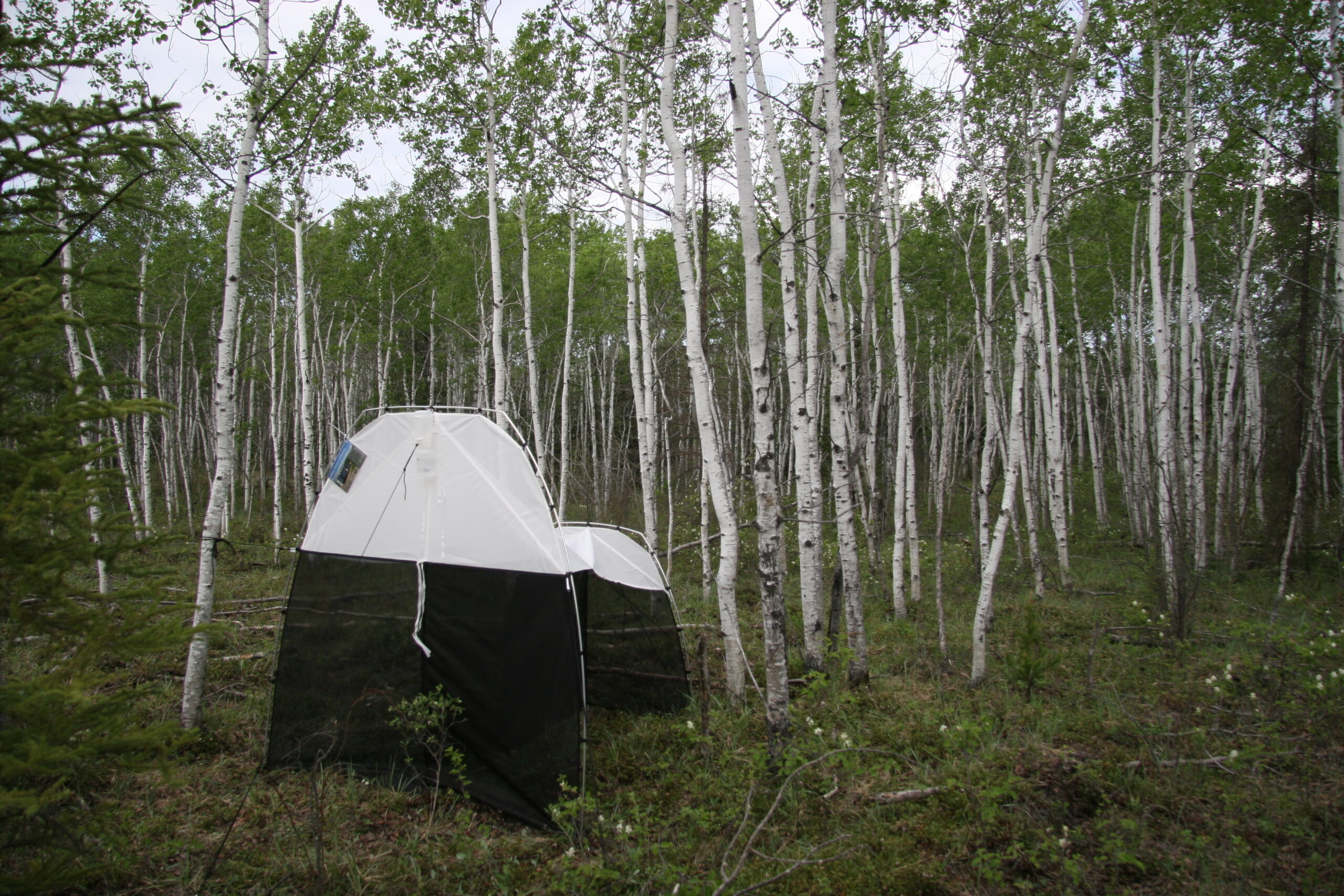
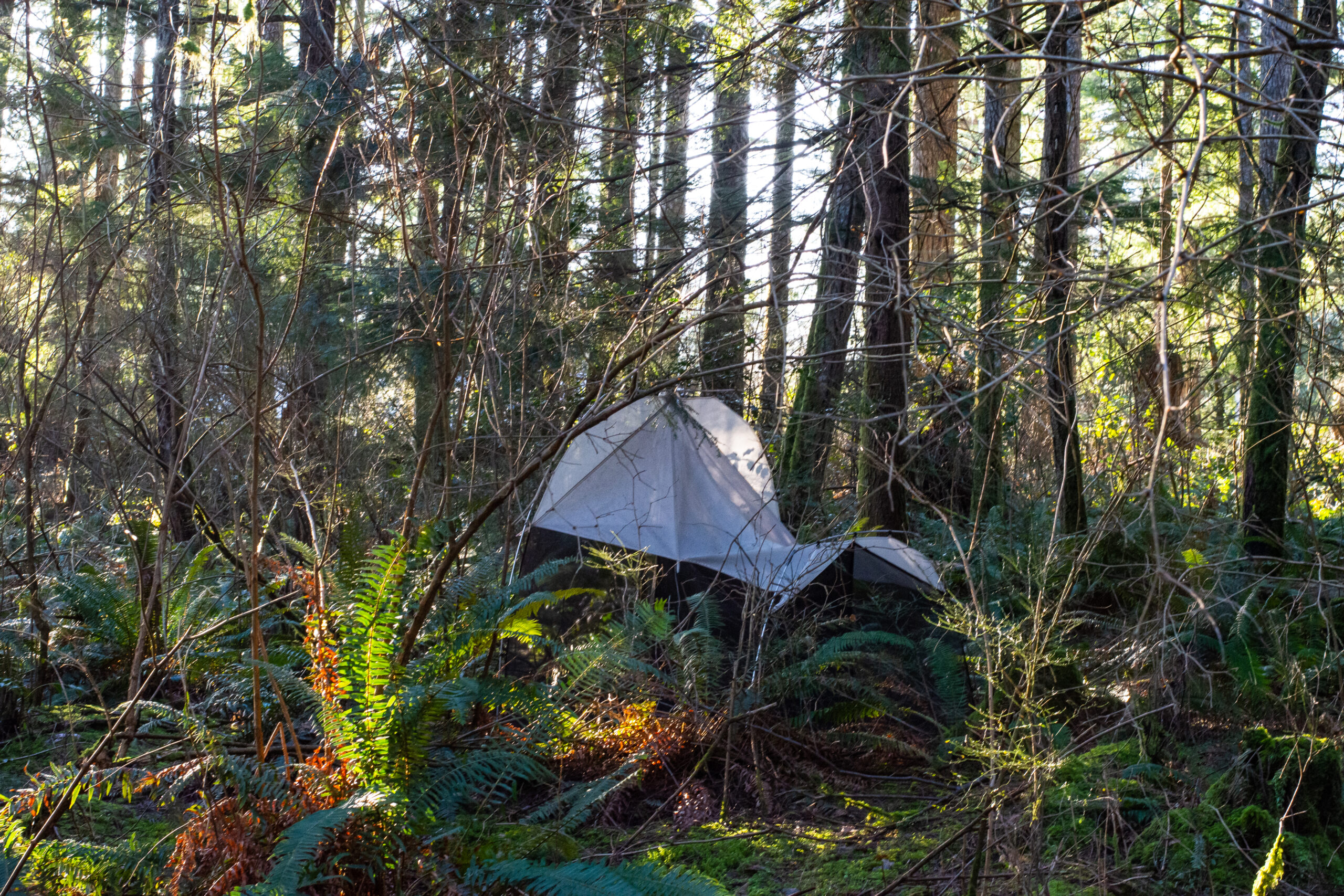
A Malaise trap is a special type of insect trap used by scientists to passively collect flying insects such as flies, wasps, bees, and beetles. It looks like a lightweight black-and-white tent made of mesh fabric.
Flying insects tend to move upward when they encounter an obstacle, so when an insect hits the central black mesh panel, it naturally flies toward the white roof of the trap. This then guides it into the trap head, where it enters a collection bottle filled with salt water. The solution preserves the insect and protects its DNA so it can be studied later.
The trap does not lure insects in, it only catches insects that are already flying through the area. The sampling does not affect insect populations, it simply provides a small snapshot of the insects already moving through that space.
Find out more here!
Why should I deploy a Malaise trap?
Malaise traps are widely used to study insect biodiversity because they collect large numbers of insects with very little effort once set up. Unlike hand-collecting or using an insect net, the trap works continuously—day and night—over many days.
Using the same type of trap at schools across Canada will allow scientists to compare the different insect diversity between regions and habitats. Because everyone follows the same collection method, the results from each site can be combined into a much larger national picture of insect biodiversity.
Does the trap harm insects?
Yes. In BugQuest, insects are collected so they can be identified quickly and accurately as part of a large-scale biodiversity study. The program documents insect communities across many locations at the same time, creating a consistent snapshot of biodiversity across Canada. To do this efficiently, insects die during collection, are preserved and then identified using standardized DNA-based methods.
Because BugQuest involves many sites and large numbers of insects, identifying them based only on appearance would take far too long and would miss many species that look nearly identical. DNA analysis allows researchers to identify species consistently and learn how insect diversity changes across places and over time.
Insects live very differently from animals like birds and mammals. Most insects have short life cycles (sometimes only a few days as adults!) and occur in very large numbers. As a result, collecting insects, even when a Malaise trap operates for several months, does not affect populations in the same way it would for larger animals. Research shows it is difficult to reduce insect populations through scientific collecting, while everyday activities, such as driving a car, unintentionally kill many insects over time.
How often do I need to change the collection bottle?
Collection bottles should be changed once every 7 days, ideally on the same day of the week. This keeps collection periods consistent and helps scientists interpret the data correctly.
What should I do if I miss a collection day?
If you miss a collection day, collect the bottle as soon as possible and just note the new collection date in the collection log sheet and both labels.
Do not discard the sample or skip a week entirely. Even slightly longer or shorter collection periods still provide valuable information, as long as dates are recorded accurately.
What should I do if the bottle is very full or overflowing with insects?
A very full bottle usually means insect activity was especially high that week. This is a good scientific observation.
Remove the bottle as scheduled, replace it with the next week’s bottle, and make a note on the label and log sheet. Do not remove insects, drain liquid, or split the sample.
What if the trap falls over or the salt water spills?
If the trap falls over, check to see there is any damage and then re-set it up. Then attach a freshly prepared bottle of salt water, if it was lost. To make a new salt-water mix, put 1/3 of a cup of normal table salt with ~300mL of water (~10cm/4 inches).
Note that the trap had fallen over in the collection log sheet, and give an idea of how long the trap may have been down and if there was any damage. This information helps scientists interpret the data correctly.
If parts are broken or missing, contact the BugQuest team for assistance or replacements — bugquest.canada@gmail.com.
What happens to all the data collected?
As part of Genome Canada funding requirements, biodiversity data generated through BugQuest will be shared publicly following project completion and analysis. This may include site locations, species (taxonomic) lists, and summary reports. No personal information will be shared.
Partners

EcoSchools Canada’s award-winning certification program has provided independent, third-party verification for schools and outdoor education centres since 2002. We are excited to announce that participation in BugQuest will award points in the 2026–27 school year!