
What is a DNA barcode?
The easiest way to explain a DNA barcode is to think of it as a genetic fingerprint for a species. Scientists read a tiny piece of DNA – the ‘barcode’ region of cytochrome c oxidase 1 (COI) – and compare it to a big library of barcodes to see which species it matches. COI is the most common barcode type used for animals because it stays mostly the same within a species (for example, all humans share the same barcode) but is different between species (a human barcode is different from a chimpanzee one).
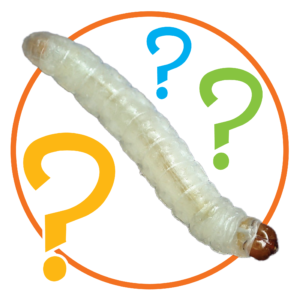
Unknown Specimen
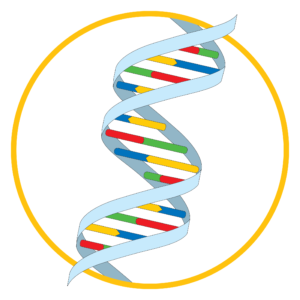
Extract DNA Barcode

Compare to Library
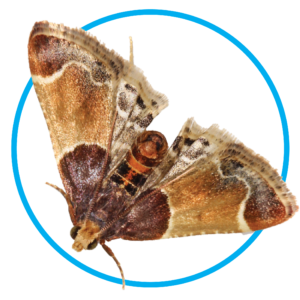
Identify Species

Why call it a barcode?
The idea came from Canadian researcher Paul Hebert. He once explained, “I was in a supermarket, and an idea started to develop in my mind as I walked through the aisles: what if a segment of DNA could be used to differentiate between species? Just 13 lines on the supermarket barcodes were being used to identify everything around me. What if we could identify plants, animals, and fungi in the same way?” That idea became DNA barcoding – and that’s how DNA barcoding got its name!
What are
Uses for DNA barcodes?
Learn more about life around us
When you look at the bug on the right, your first thought might be "Oh, that's cool!" but then most people wonder "...what is it?" It's natural to want to name things we find. DNA barcodes help us identify species, giving people a sense of connection to nature. If you’re lucky, you might even discover a brand-new species!
When you look at the bug on the right, your first thought might be “Oh, that’s cool!” but then most people wonder “…what is it?” It’s natural to want to name things we find. DNA barcodes help us identify species, giving people a sense of connection to nature. If you’re lucky, you might even discover a brand-new species!
Identify bugs at any life stage or size
DNA barcodes can match eggs, larvae, and adults from the same species – even tiny ones. Sometimes shipments of food, flowers, or lumber get held up at the border because inspectors find evidence of insects that could be invasive. Traditional identification can take weeks, but DNA barcoding can provide answers quickly.
Check What’s in Our Food and Other Products
It can be hard to identify parts of animals, especially once food is cooked. For example, an expensive cod fillet might look the same as a cheaper pollock. DNA barcoding can help identify these items accurately, making it useful in the investigation and prevention of things like food fraud (when a food product is misrepresented) and illegal trade which sometimes targets endangered species.

Species: Caridotis vitreata
This is a beetle (Coleoptera) from Costa Rica, part of a group commonly called tortoise beetles because they resemble a tortoise shell.
from DNA barcoding to
Metabarcoding
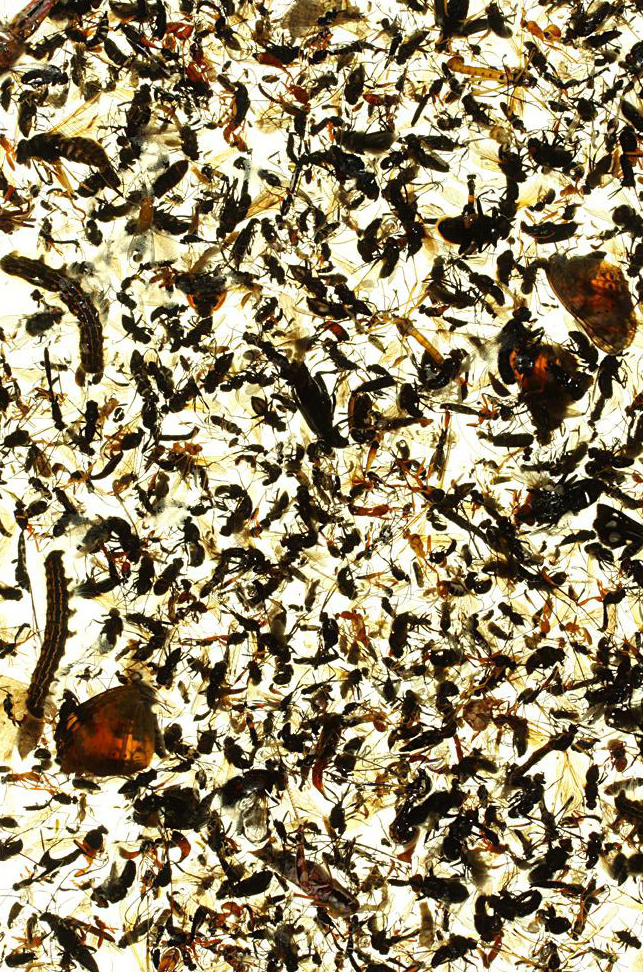
DNA barcoding works when we have one organism at a time to test. But what if a bottle contains hundreds or thousands of bugs mixed together, like everything caught in a Malaise trap? That’s where metabarcoding comes in.
Metabarcoding uses the same barcode region of DNA, but instead of processing each organism separately, scientists extract all the DNA from a mixed bottle at once. Computers then sort the DNA sequences and match them to known species in the reference library.
This allows researchers to:
- Identify all species in a bottle at the same time
- Work with organisms that are tiny, damaged, or impossible to sort by hand
- Understand whole communities and ecosystems, not just single species
- It’s the method used in BugQuest, which is how we’re able to run the program at such a large scale!